From Peaks to Shores: The Art of Slowcraft Life
Today we explore Alpine-Adriatic Slowcraft Living, a heartfelt way of moving through days where high mountain trails meet quiet harbors and craft is measured in seasons, not seconds. Expect stories of wool and stone, salt and smoke, family tables, wandering paths, and the gentle courage to make with intention. Take a deep breath, sip something warm, and settle in. If this resonates, share your reflections, invite a friend along, and subscribe so our next letter arrives with the morning light.

Origins Across Mountain Passes and Sea Lanes
Between snowline and tide, routes braided through the centuries carried ideas, spices, salt, and songs. Caravans rose over passes while small boats hugged coves, and along the way hands learned to listen: to grain in wood, tension in wool, and patience in the body. Alpine-Adriatic Slowcraft Living grows from this dialogue, respecting time as the true mentor, and honoring neighbors whose balconies face different winds yet share one sky. This is continuity you can touch, share, taste, and mend.
A shepherd’s granddaughter recalls climbing before sunbreak, steaming milk cupped in a tin mug, the path still crusted with frost. Her family traded cheese for Adriatic salt and stories for new knitting patterns, learning that every exchange asks for courtesy and care. She says the bora once pinned a shawl to her shoulders like a stern teacher, insisting on neat, durable stitches. Years later, her looms still echo that wind, weaving steadiness into every line.
On limestone plains, stonecutters read light as if it were scripture, tracing shade across tool marks to judge the day’s progress. Vines crawl through dry-stone terraces where Teran stains tongues violet and conversations unspool slowly. A mason explained why edges stay slightly imperfect: to welcome lime and breath, to flex when the season changes its mind. That acceptance threads into life as well, reminding us that the living craft prefers resilience over flawless shine and restless polish.
In a boat shed smelling of pine pitch and tide, a carpenter kneads linen caulking like bread, pressing patience between two planks that intend to trust one another for decades. Outside, fishermen repair nets with rhythmic knots while cicadas keep time above the quay. When the bell rings, hands pause for espresso the color of walnut hulls. They return slowly, not to hurry but to serve the hull’s memory, sealing a promise against future storms and sudden squalls.

Alpine Wool, Warm Hands

High pastures shape fiber with weather’s handwriting, yielding springy fleece that felts eagerly and insulates like a remembered embrace. Spinners card by the window where clouds stack like loaves; skeins dry beside an enamel basin. Natural dyes simmer quietly: walnut husks for dusk-brown, madder for ember rose, onion skins for sunrise gold. Each bath smells of patience and opened windows. Pull a thread, and it answers honestly, reminding you that comfort is something we build, not buy.

Stone with a Quiet Pulse

Karst limestone speaks in chalky whispers, collecting centuries of footsteps in its pores. Quarry dust settles on eyelashes while mason lines stretch taut as violin strings. Chisels ask questions, and the rock replies in shards of light. Uneven faces catch morning sun, storing warmth for supper. Dry-stone walls lean slightly, like neighbors conferring, holding pasture and memory with no cement except trust and friction. When storms travel inland, these lines exhale, flexing together instead of breaking alone.

Table Rituals Between Snow and Salt

Meals here are collaborations across altitude: beans softened overnight, sauerkraut rinsed with mountain water, olive oil green as hillside terraces, sea salt flaked by hand, and cheeses matured where storms teach humility. Conversations stretch while pots murmur. A ladle becomes a metronome; a cutting board becomes a map. Wines like Rebula and Teran fold weather into their vowels, inviting slow sips and slower listening. The table is a homeland where craft becomes nourishment, and nourishment becomes memory.

A Pot of Jota and Patience

Jota begins yesterday, when beans soak beside laurel leaves and someone remembers to thaw a heel of smoked pork. Today the pot warms slowly, cabbage and beans finding balance while steam fogs the window. A wooden spoon draws patient circles, pulling stories from the cook and appetite from the room. When bowls arrive, the broth tastes like kept promises. Share your version—do you brown onions darker, add potatoes, or stir in a fist of polenta near dawn?

Fuži Rolled on a Wooden Board

Istrian hands roll dough thin enough to glow, cut into diamonds, pinch into tiny ribbons, and fling a dusting of flour like snow. A pot of boškarin ragu sighs nearby, whispering thyme, bay, and hours. When the pasta meets its companion, friends hover, pretending to help, truly waiting. Plates land, steam curls, conversation hushes to gratitude. Tell us who taught you to fold pasta, what board bears their knife marks, and which apron carries that remembered stain.
Rhythms for Home and Workshop

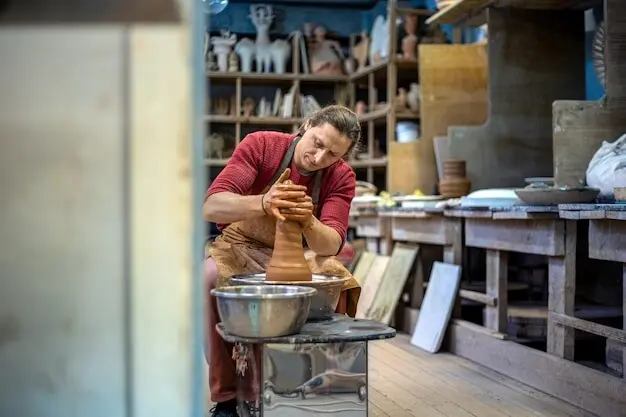
This way of living keeps a humble calendar: sharpen on Mondays, mend on Tuesdays, market on Wednesdays, read the sky daily, and rest when headwinds ask. Tools receive oil like worship; floors welcome clogs and salt-sprayed boots; windows learn the choreography of mountain light. Small, consistent gestures build a life that does not leak energy. Habits are companions, not guards. When surprises arrive, the rhythm flexes, never snapping. Begin modestly, continue kindly, and let repetition become your quiet teacher.

Paths, Ferries, and Craft Trails

Travel gently, and the region replies generously. Walk or cycle the Alpe-Adria route from forests to lagoons, pause for apricot jam in Venzone, mosaics in Aquileia, and a swim near Grado’s long light. Pair rail with river valleys, letting viaducts frame new courage. Seek workshops that welcome visitors, bring fair payment and a kind word, ask before photographing, and listen more than you speak. Your timetable should breathe; your souvenirs should be useful, honest, and easy to repair.

Hands, Stories, and Belonging

What endures are faces and phrases, the way laughter bends around a bench or a pier. Every craft is a language, and every household a small school. We keep learning because someone before us made gentle room for mistakes, corrections, and celebration. In the Alpine-Adriatic, belonging hums below speech: a nod on a funicular, a shared knife at a picnic, a stranger showing you the right bus. Add your voice to this chorus; we are listening closely.
Lentopentozentozerakento
Privacy Overview

This website uses cookies so that we can provide you with the best user experience possible. Cookie information is stored in your browser and performs functions such as recognising you when you return to our website and helping our team to understand which sections of the website you find most interesting and useful.