

From Snowy Passes to Sunlit Quays

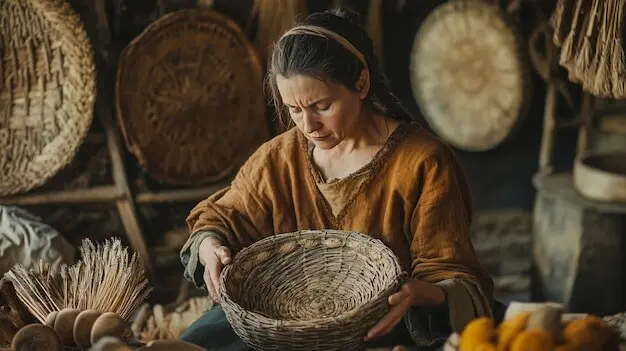
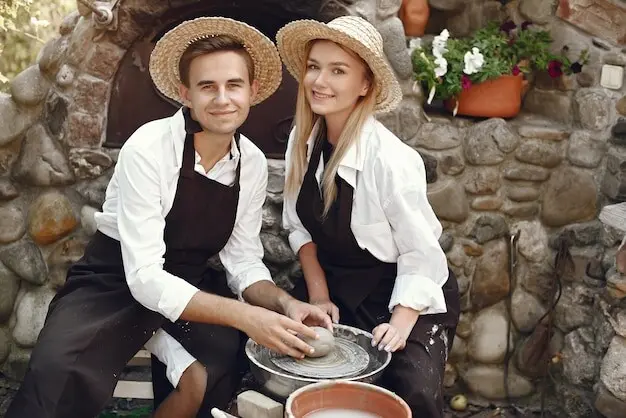
Join us as we journey along cross-border artisan routes linking Alpine villages and Adriatic ports, where chisels, looms, and sails shaped livelihoods and friendships across languages and frontiers. We’ll follow living crafts, seasonal migrations, and storied marketplaces that still hum with barter, song, and sea breeze. Expect practical travel ideas, heartfelt profiles, and ways to support makers today while honoring the resilient networks that once sent wood, wool, salt, and glass between mountain hamlets and gleaming harbors.

Living Exchanges Shaped by Mountains and Sea

Centuries before passports and hashtags, artisans moved with the seasons, trading skills and materials between steep valleys and Adriatic quays. Carvers met shipwrights, shepherds met salt workers, and entire families learned to read weather, prices, and dialects. The resulting exchange left more than beautiful objects; it planted hybrid identities, recipes, songs, and working methods that still echo in workshops, kitchens, and courtyards. As you explore, listen for these echoes and share your findings with our community to keep the conversation lively and generous.

Routes, Passes, Rivers, and Harbors That Carried Skill

Not all paths were grand roads. Some were mule tracks that threaded spruce shadows; others followed rafts down mercurial rivers to shipyards and fish markets. Names like Predil, Vršič, and Resia carry tales of tolls, avalanches, and sudden friendships. The Piave, Soča, Tagliamento, and Adige pulled logs, barrels, and hopes toward Venice, Trieste, Koper, and Rijeka. Weather could close a pass or open a bargain. Share the passage that captured your imagination, and help future travelers match curiosity with respectful planning.

Materials on the Move: Salt, Wood, Iron, and Glass

Objects carry landscapes within them. Salt from Sečovlje brightened mountain butter and cured speck; Dolomite larch stiffened hulls; Carinthian iron kissed chisels and hinges; Venetian beads lit festival bodices far from any lagoon. Each material traveled with knowledge: how to store, combine, price, and honor its source. That knowledge still matters when we choose souvenirs or commission repairs. Share a material memory—perhaps the taste of brined olives after a climb, or the feel of a bead that catches dusk like a tiny harbor.

Sečovlje Salt for Alpine Cures and Cheeses

Harvested in patterned pans, guided by sun and wind, this salt moved inland in sacks stamped with coastal emblems. Cheesemakers prized its subtle minerals for rinds that breathe slowly in cool caves. Butchers measured pinches that turned fragile days into storied winters. Traveling sellers learned to explain grain sizes, moisture, and virtue. Today, a packet bought beside flamingos can season polenta near snowfields. Share your favorite pairing or a salina visit that taught you how patience and evaporation sculpt a region’s shared pantry.

Dolomite Larch for Hulls and Oars

Resin-sweet larch descended valleys as squared beams and rough planks, destined for rib frames, oars, and piers. Boatbuilders valued its toughness and the way it swelled to seal seams. Mountain carpenters listened for a ring that foretold strength; dockside planers coaxed curves with steam. Each strike of an adze connected tree rings to tide charts. If you’ve stepped into a wooden boat along the Adriatic, tell us how the deck felt underfoot and whether you sensed forests riding quietly beneath your voyage.

Venetian Beads Brightening Highland Costumes

Glassworkers spun color into tiny worlds, then shipped strings upriver where needleworkers embroidered constellations onto bodices, belts, and bridal crowns. Beads served as savings, status, and celebration, stitched carefully so they could be salvaged during hard seasons. Mountain festivals shimmered with lagoon light, a collaboration across miles and dialects. In modern studios, artisans still choose hues that carry whispers of fog, spruce, and sea. Tell us about a costume or necklace that moved you, and how its sparkle changes with valley twilight.

People, Guilds, and the Art of Learning

Routes are nothing without hands, eyes, and communities that share skills. Apprenticeship traveled too: a cousin in the port hosted a nephew from the ridge; a master wrote price lists in three scripts; a midwife traded remedies for stitched mittens. Guilds guarded standards while fairs welcomed improvisation. Multilingual banter made markets feel like classrooms, where a proverb could settle an argument faster than law. If you’ve learned a stitch, song, or recipe along these paths, pass it on here so others can continue the chain.

Apprentice Notebooks from Tolmezzo to Rijeka

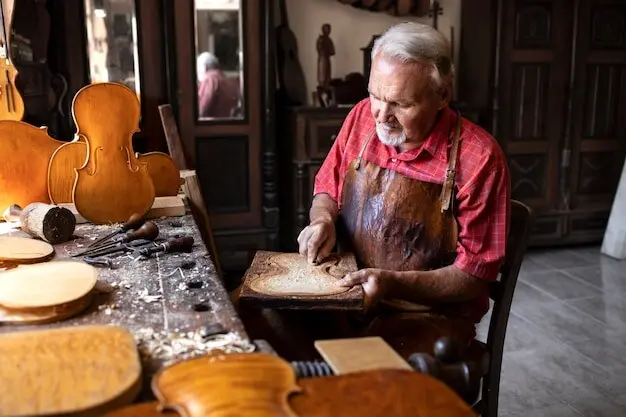
Margins filled with tool sketches, exchange rates, and snippets of foreign greetings reveal how learning stretched beyond benches into inns and docks. These notebooks smell of oil and smoke, crammed with measurements for doors that must breathe in winter. One page might list walnut finishes; another, ferry times. Copying a master’s hand trained eye and patience. If you keep a travel journal or sketchbook today, share a page that caught a detail—a hinge, a braid, a rivet—that shifted how you notice crafted life.
Women’s Circles of Lace and Linen

Long after stalls closed, women gathered to twist bobbins, hem linens, and share news about prices, storms, and births. Patterns traveled wrapped around wooden rollers, their dots like secret maps. Marriages braided mountain farms to coastal alleys, and trousseaus moved customs respectfully across thresholds. In modern maker spaces, echoes persist as mentorship, childcare swaps, and microloans. If you’ve sat in a circle where hands kept time while stories flowed, describe the cadence, the kindnesses exchanged, and the way silence also taught technique.
Polyglot Porticoes and Market Chatter

Under arcades glazed with morning sea light, bargaining leapt between Italian, Slovene, German, Friulian, and Croatian, with gestures smoothing gaps. A good seller translated not just words but worries—about dampness, moths, and last season’s debt. Humor softened stubbornness; a shared snack anchored trust. Children learned numbers by weighing nails and buttons. Trieste, Koper, and Rijeka still hum with this music. If you’ve practiced a greeting you learned there, teach it below, and tell us which stall offered the friendliest correction and smile.

Travel Itineraries You Can Walk, Cycle, and Sail Today

Dawn in the Alps, Dusk by the Quays

Start in a valley like the Soča or Carnia, browsing a market for bread and mountain butter. Walk or cycle a riverside path past mills turned galleries, then bus to a hilltown for lunch among stone arcades. By evening, descend toward Trieste or Piran, watching light tilt from green to silver. Plan with buffers for weather and serendipity, leaving time to visit a studio that invites passerby curiosity. Share the segments you loved most and the benches where you paused, listening to bells and gulls.

Rails Stitching Valleys to the Waterfront

Regional trains connect Udine, Gorizia, and Trieste with an ease that suits craft-minded wandering. Between stops, note freight sidings where timber once loaded toward shipyards and workshops near stations that still repair tools. Step off to explore museums, libraries, and neighborhood ateliers in Cavana or San Giacomo. Carry a tote for small purchases, and ask politely before photographing work in progress. Add your favorite station cafés and rain-day detours to help fellow readers weave weatherproof plans without rushing the pleasures of conversation.

Salinas, Karst Cellars, and Stone Lanes

Spend a day at Sečovlje Salina Nature Park, learning how wind, clay, and patience shape salt. Walk old customs paths into Karst villages, tasting pršut and Teran poured from cool limestone cellars. Watch for stonecutters’ signatures on lintels, then drift back along waterfront lanes where nets dry and children race shells. Support small producers by buying light, durable goods you’ll use often. Post your route, respectful tasting tips, and accessibility notes, so others can enjoy the same care for place and people.

Sustaining Craft and Crossing Borders Responsibly

These routes endure when makers thrive, landscapes breathe, and travelers choose care over haste. Pay fairly, learn provenance, and prefer repairs to replacements. Celebrate workshops that welcome questions and apprentices who extend lineages. Travel low-carbon where possible, and be mindful of seasonal pressures on small communities. Share trusted directories, markets with transparent pricing, and advice for handling customs rules respectfully. Subscribe to receive maker spotlights, itinerary updates, and invitations to conversations where readers and artisans meet as neighbors across mountains and harbors.
Lentopentozentozerakento
Privacy Overview

This website uses cookies so that we can provide you with the best user experience possible. Cookie information is stored in your browser and performs functions such as recognising you when you return to our website and helping our team to understand which sections of the website you find most interesting and useful.